
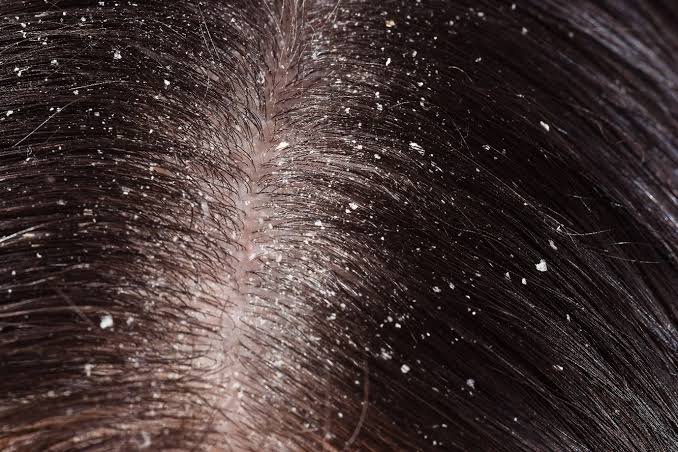
Many people notice that dandruff suddenly becomes more visible during colder months. This leads to a common question: what are the causes of dandruff in winter? In reality, winter creates the perfect conditions for scalp imbalance. As temperatures drop, moisture levels decrease. Consequently, the scalp becomes dry, irritated, and more prone to flaking. Therefore, understanding winter-specific triggers is essential for effective dandruff control.
1. Dry Air and Low Humidity
One of the biggest causes of dandruff in winter is low humidity. Cold outdoor air combined with indoor heating strips moisture from the scalp. As a result, the scalp skin becomes dry and starts shedding rapidly. Moreover, this dryness weakens the scalp barrier, making flakes more noticeable.
2. Reduced Scalp Hydration
During winter, people often drink less water without realizing it. Consequently, overall skin hydration decreases, including the scalp. When the scalp lacks internal moisture, skin cells loosen and fall off easily. Therefore, dehydration plays a silent yet powerful role in winter dandruff.
3. Frequent Use of Hot Water
Hot showers feel comforting in cold weather. However, excessive use of hot water removes natural oils from the scalp. As a result, the scalp becomes tight, itchy, and flaky. Over time, this habit significantly increases dandruff during winter months.
4. Overuse of Heaters and Room Warmers
Indoor heating systems reduce moisture in the air. Consequently, the scalp remains in a constantly dry environment. This prolonged exposure worsens irritation and accelerates flake formation. Therefore, room heaters are an indirect yet major cause of winter dandruff.
5. Irregular Hair Washing Routine
In winter, people often wash their hair less frequently to avoid cold. However, this leads to the buildup of oil, sweat, and dead skin. As a result, fungal activity increases, triggering dandruff. Hence, improper washing habits contribute significantly to winter scalp issues.
6. Wearing Caps, Beanies, and Woolen Hats
Winter accessories protect us from cold, but they can also trap sweat and oil. Consequently, the scalp environment becomes warm and humid. This condition encourages fungal growth, leading to dandruff and itching. Additionally, woolen fabrics may cause friction and scalp irritation.
7. Increased Fungal Activity
The Malassezia fungus thrives when the scalp’s natural balance is disturbed. In winter, dryness followed by oil imbalance triggers fungal overgrowth. As a result, inflammation and excessive flaking occur. Therefore, fungal dandruff becomes more common during colder seasons.
8. Poor Winter Diet
Seasonal diet changes also affect scalp health. A lack of fresh fruits, vegetables, and healthy fats leads to nutritional deficiencies. Consequently, the scalp becomes weaker and more prone to dryness. Thus, poor winter nutrition indirectly worsens dandruff.
9. Existing Scalp Conditions
Winter often aggravates conditions like seborrheic dermatitis and eczema. These skin disorders cause inflammation and flaking to intensify in cold weather. Therefore, people with pre-existing scalp conditions experience severe winter dandruff.
How to Control Dandruff in Winter
Although winter dandruff is common, it is completely manageable. Simple adjustments in daily routine can make a noticeable difference.
- Use lukewarm water instead of hot water
- Apply a gentle, moisturizing anti-dandruff shampoo
- Stay hydrated and eat nutrient-rich foods
- Limit excessive use of heaters
- Avoid tight woolen caps directly on the scalp
Final Takeaway
To conclude, the causes of dandruff in winter are mainly linked to dry air, dehydration, heating systems, and lifestyle changes. As a result, the scalp loses its natural balance and begins to flake. However, with proper care and consistency, winter dandruff can be controlled effectively. Ultimately, healthy scalp habits are the key to flake-free winters.