
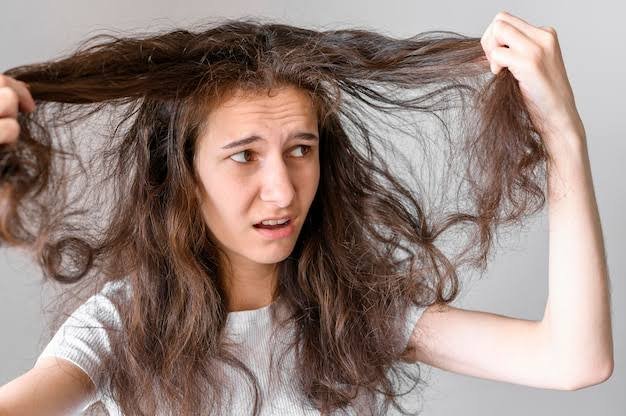
If you have ever searched for “what is frizzy hair”, then you are certainly not alone. In fact, frizz is one of the most common and frustrating hair concerns globally. However, before you attempt to treat it, you must first understand it clearly. Therefore, in this comprehensive guide, we will thoroughly explain what frizzy hair is, why it occurs, what triggers it, and most importantly, how you can effectively manage and prevent it with the right approach.
What Is Frizzy Hair?
To begin with, frizzy hair refers to hair strands that appear dry, rough, puffy, and difficult to manage. Instead of lying flat and smooth, the outer layer of the hair shaft known as the cuticle lifts upward. As a result, moisture from the surrounding environment penetrates the strand unevenly, which consequently causes swelling and a lack of smooth alignment.
According to the hair experts, hair texture and frizz are closely linked to cuticle health and humidity levels. Therefore, when the cuticle becomes damaged or raised, frizz becomes more noticeable and persistent.
In other words, frizzy hair is primarily a sign of moisture imbalance. Because the hair lacks internal hydration, it tries to absorb excess moisture from humid air. Consequently, the strands expand irregularly, leading to flyaways and puffiness.
What Causes Frizzy Hair?
Now that we clearly understand what frizzy hair is, let us move forward and identify its root causes. Without identifying the underlying triggers, long-term control becomes difficult. Therefore, understanding these factors is essential.
1. Lack of Moisture
First and foremost, dryness remains the leading cause of frizz. When hair becomes dehydrated, it develops high porosity. As a result, it absorbs environmental humidity rapidly, which subsequently leads to swelling and frizz.
2. Humidity
Moreover, high humidity significantly contributes to frizzy texture. According to hair science research published by the National Center for Biotechnology Information (NCBI), moisture absorption alters the hydrogen bonds in hair strands. Consequently, hair structure temporarily changes, creating frizz.
3. Heat Damage
Additionally, frequent use of straighteners, curling irons, and blow dryers weakens the cuticle layer. Over time, this repeated thermal stress disrupts the protective barrier, and therefore, frizz becomes more prominent.
4. Chemical Treatments
Similarly, hair coloring, bleaching, rebonding, and perming strip away natural proteins. As a consequence, chemically treated hair often appears dry, porous, and prone to persistent frizz.
5. Overwashing
Although maintaining scalp hygiene is important, overwashing removes natural oils. Consequently, the scalp produces less protective sebum, leaving strands exposed and vulnerable to frizz.
6. Harsh Hair Products
Furthermore, shampoos containing sulfates and alcohol-based styling products aggressively strip moisture. Therefore, prolonged use often results in rough and unmanageable hair texture.
Types of Frizzy Hair
Interestingly, not all frizz appears the same. In fact, identifying your specific type helps in selecting targeted solutions. Therefore, let us examine the most common types.
1. Surface Frizz
This type appears on the top layer of the hair. Generally, it is caused by external humidity and superficial dryness.
2. Halo Frizz
Halo frizz forms a crown-like puff around the head. Typically, it is more common in curly and wavy hair textures.
3. Frizz at the Ends
Damaged and split ends contribute to this type. Therefore, regular trimming becomes essential for smoother results.
4. Root Frizz
Root frizz occurs near the scalp and is often caused by new hair growth or improper drying techniques.
Who Is More Prone to Frizzy Hair?
Although anyone can experience frizz, certain hair types are significantly more susceptible. For instance:
- Curly and wavy hair
- High-porosity hair
- Chemically treated hair
- Dry or heat-damaged hair
- Fine hair exposed to humid climates
Therefore, if your hair falls into any of these categories, adopting a moisture-focused routine becomes increasingly important.
How to Fix Frizzy Hair Effectively
Now that we understand what causes frizzy hair, let us explore practical solutions. Fortunately, with consistent care and the right products, frizz can be significantly reduced.
1. Switch to a Moisturizing Shampoo
First, choose sulfate-free shampoos designed to hydrate rather than strip natural oils. Consequently, the hair maintains better moisture balance.
2. Deep Condition Weekly
Furthermore, weekly deep conditioning treatments restore hydration and smooth the cuticle layer. As a result, hair becomes softer and more manageable.
3. Use Leave-In Conditioners
Additionally, leave-in products help seal moisture and reduce flyaways throughout the day.
4. Limit Heat Styling
Whenever possible, allow your hair to air dry. However, if heat styling is necessary, always apply a heat protectant beforehand.
5. Dry Hair Gently
Instead of rubbing with regular towels, use a microfiber towel or cotton T-shirt. Therefore, friction decreases, and frizz reduces significantly.
6. Apply Hair Serums or Oils
Lightweight oils such as argan oil help seal the cuticle. Consequently, strands appear smoother, shinier, and less frizzy.
How to Prevent Frizzy Hair Naturally
Prevention, undoubtedly, is more effective than correction. Therefore, incorporate the following habits into your routine:
- Avoid brushing dry curly hair
- Sleep on silk or satin pillowcases
- Rinse hair with cool water
- Trim split ends every 6-8 weeks
- Maintain a balanced diet rich in proteins and vitamins
Because healthy hair begins internally, nutrition also plays a crucial role in minimizing frizz over time.
Best Ingredients to Look for in Anti-Frizz Products
When selecting hair care products, prioritize ingredients that support hydration and cuticle repair:
- Argan Oil
- Coconut Oil
- Shea Butter
- Keratin
- Hyaluronic Acid
- Glycerin
Since these ingredients improve moisture retention and smoothness, they gradually enhance hair texture with regular use.
Frequently Asked Questions (FAQs)
Is frizzy hair the same as damaged hair?
Not necessarily. However, persistent frizz often indicates dryness or cuticle damage.
Can frizzy hair become permanently smooth?
Although permanent solutions are rare, consistent hydration and protective care dramatically improve smoothness.
Why does hair get frizzy after washing?
Because wet hair is more vulnerable, improper drying techniques and lack of conditioning frequently trigger post-wash frizz.
Does cold water reduce frizz?
Yes. Cold water helps flatten the cuticle, and therefore, it promotes smoother appearance.
Final Thoughts
In conclusion, understanding what is frizzy hair is the first step toward managing it effectively. Essentially, frizz results from moisture imbalance, cuticle disruption, and environmental factors. However, by adopting a hydration-focused routine, minimizing heat damage, and choosing scientifically supported products, you can significantly control frizz. Ultimately, consistent care leads to smoother, shinier, and healthier-looking hair.
Disclaimer: This article is for informational purposes only and is not intended to replace professional dermatological advice. If you experience severe hair or scalp issues, consult a certified dermatologist for personalized guidance.
Pingback: BeBodywise Hair Strengthening Serum : Detailed Review - SPF TALES