
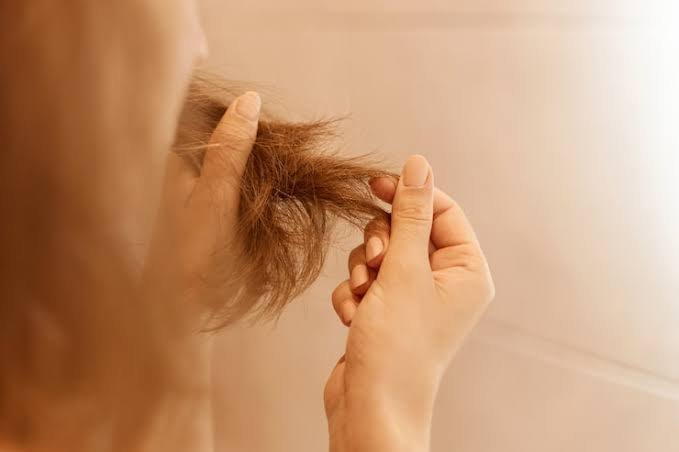
Frizz can be frustrating, unpredictable, and difficult to control. However, with the right haircare for frizzy hair, you can gradually transform dry, rough strands into smooth, manageable, and healthy-looking hair. Whether your frizz is triggered by humidity, dehydration, heat styling, or chemical treatments, understanding the root cause is essential. Therefore, in this comprehensive guide, we will explore not only the causes but also the most effective, science-backed solutions to reduce and manage frizz long term.
What Is Frizzy Hair?
Frizzy hair occurs when the outer layer of the hair shaft, known as the cuticle, lifts instead of lying flat. As a result, moisture from the surrounding environment enters the hair strand, causing it to swell. Consequently, the hair appears rough, dry, puffy, and difficult to style.
According to the hair experts dryness and damage significantly contribute to frizz formation. Therefore, proper haircare for frizzy hair primarily focuses on restoring hydration, sealing the cuticle, and protecting strands from environmental stressors.
Common Causes of Frizzy Hair
1. Lack of Moisture
First and foremost, dehydration is one of the leading causes of frizz. When hair lacks internal moisture, it actively absorbs humidity from the air. Consequently, swelling occurs, leading to visible frizz.
2. Excessive Heat Styling
Frequent use of straighteners, curling irons, and blow dryers weakens the hair cuticle over time. As a result, the hair becomes porous and increasingly prone to frizz. Therefore, limiting heat exposure is essential.
3. Chemical Treatments
Bleaching, coloring, rebonding, and perming alter the hair’s protein structure. Consequently, chemically treated hair often becomes dry and rough. The National Center for Biotechnology Information (NCBI) explains that repeated chemical processing weakens the hair shaft, thereby increasing surface irregularities and frizz.
4. Overwashing
Although cleansing is important, overwashing strips natural oils. As a result, the scalp and strands lose protective moisture, which eventually worsens frizz.
5. High Humidity
In humid climates, hair absorbs excess moisture from the environment. Consequently, frizz becomes more noticeable and persistent.
Essential Haircare for Frizzy Hair Routine
To effectively manage frizz, consistency is key. Therefore, adopting a structured routine can significantly improve texture and shine over time.
1. Choose a Sulfate-Free Moisturizing Shampoo
Initially, switch to a gentle, sulfate-free shampoo. Harsh sulfates strip essential oils, thereby worsening dryness. Instead, look for hydrating ingredients such as:
- Argan oil
- Shea butter
- Aloe vera
- Glycerin
- Coconut oil
These ingredients help cleanse while simultaneously retaining moisture.
2. Always Use Conditioner
Conditioning is non-negotiable. Not only does it smooth the cuticle, but it also adds slip to the strands. Additionally, applying conditioner to mid-lengths and ends ensures better hydration. Finally, rinse with cool water to seal the cuticle effectively.
3. Deep Condition Weekly
While regular conditioners work on the surface, deep conditioning masks penetrate deeper. Therefore, use a nourishing mask once or twice weekly. Look for:
- Keratin
- Hyaluronic acid
- Avocado oil
- Protein complexes
Over time, this step strengthens hair elasticity and visibly reduces frizz.
4. Apply Leave-In Conditioner or Serum
After washing, apply a lightweight leave-in conditioner or anti-frizz serum. This step forms a protective barrier against humidity. Consequently, hair remains smoother for longer durations.
5. Minimize Heat Styling
Although heat tools provide immediate smoothness, excessive use causes cumulative damage. Therefore, always use a heat protectant and reduce frequency. Gradually, this reduces long-term frizz.
6. Switch to a Microfiber Towel
Traditional towels create friction, which increases breakage. Instead, gently squeeze excess water using a microfiber towel or cotton T-shirt. As a result, hair dries smoother and less tangled.
7. Use a Wide-Tooth Comb
Brushing dry hair increases volume and roughness. Therefore, detangle damp hair gently using a wide-tooth comb to prevent breakage.
8. Sleep on Silk or Satin Pillowcases
Unlike cotton, silk and satin reduce friction and moisture loss. Consequently, hair appears smoother in the morning.
Best Ingredients for Haircare for Frizzy Hair
When choosing products, prioritize these scientifically supported ingredients:
- Argan Oil – Deeply nourishes and enhances shine
- Shea Butter – Locks in long-lasting moisture
- Coconut Oil – Reduces protein loss (supported by dermatological research)
- Keratin – Repairs and smooths damaged cuticles
- Hyaluronic Acid – Provides lightweight hydration
- Glycerin – Attracts moisture into the hair shaft
However, avoid excessive alcohol-based products, as they can further dehydrate the hair.
Home Remedies for Frizzy Hair
Coconut Oil Treatment
Apply warm coconut oil for 30 minutes before washing. Consequently, the strands become softer and more manageable.
Aloe Vera Mask
Mix fresh aloe vera gel with a few drops of argan oil. Leave for 20 minutes before rinsing. As a result, hair feels smoother.
Banana & Honey Mask
This natural mask improves temporary softness. However, consistent haircare for frizzy hair remains more effective for lasting results.
Diet and Lifestyle Tips for Frizz Control
Healthy hair begins internally. Therefore, ensure adequate intake of:
- Protein-rich foods (eggs, lentils, nuts)
- Omega-3 fatty acids (flaxseeds, walnuts)
- Biotin-rich foods
- At least 2-3 liters of water daily
According to Harvard T.H. Chan School of Public Health, balanced nutrition supports overall cellular health, including hair follicles.
Common Mistakes to Avoid
- Overwashing hair
- Skipping conditioner
- Aggressive towel drying
- Excessive heat styling
- Ignoring regular trims
By avoiding these mistakes, you can significantly improve hair texture over time.
FAQs About Haircare for Frizzy Hair
Can frizzy hair be permanently fixed?
While frizz cannot be permanently eliminated, it can be effectively controlled with consistent hydration and protection.
Is oiling beneficial for frizzy hair?
Yes. Regular oiling helps restore moisture balance and reduce dryness.
How often should I wash frizzy hair?
Ideally, 2-3 times per week, depending on scalp type.
Does trimming reduce frizz?
Yes. Regular trims remove split ends, thereby improving overall appearance.
Final Verdict
Ultimately, effective haircare for frizzy hair revolves around hydration, protection, and consistency. Therefore, by choosing moisture-rich products, minimizing heat exposure, and maintaining a balanced diet, you can gradually reduce frizz and restore shine. In conclusion, rather than fighting frizz daily, adopting a structured and nourishing routine ensures smoother, healthier, and more manageable hair in the long run.
Disclaimer: This article is for informational purposes only and does not substitute professional medical advice. If you experience severe hair loss or scalp conditions, consult a certified dermatologist before starting any new haircare routine.