
Small Scalps, Big Flakes: The Surprising Roots of Child Dandruff
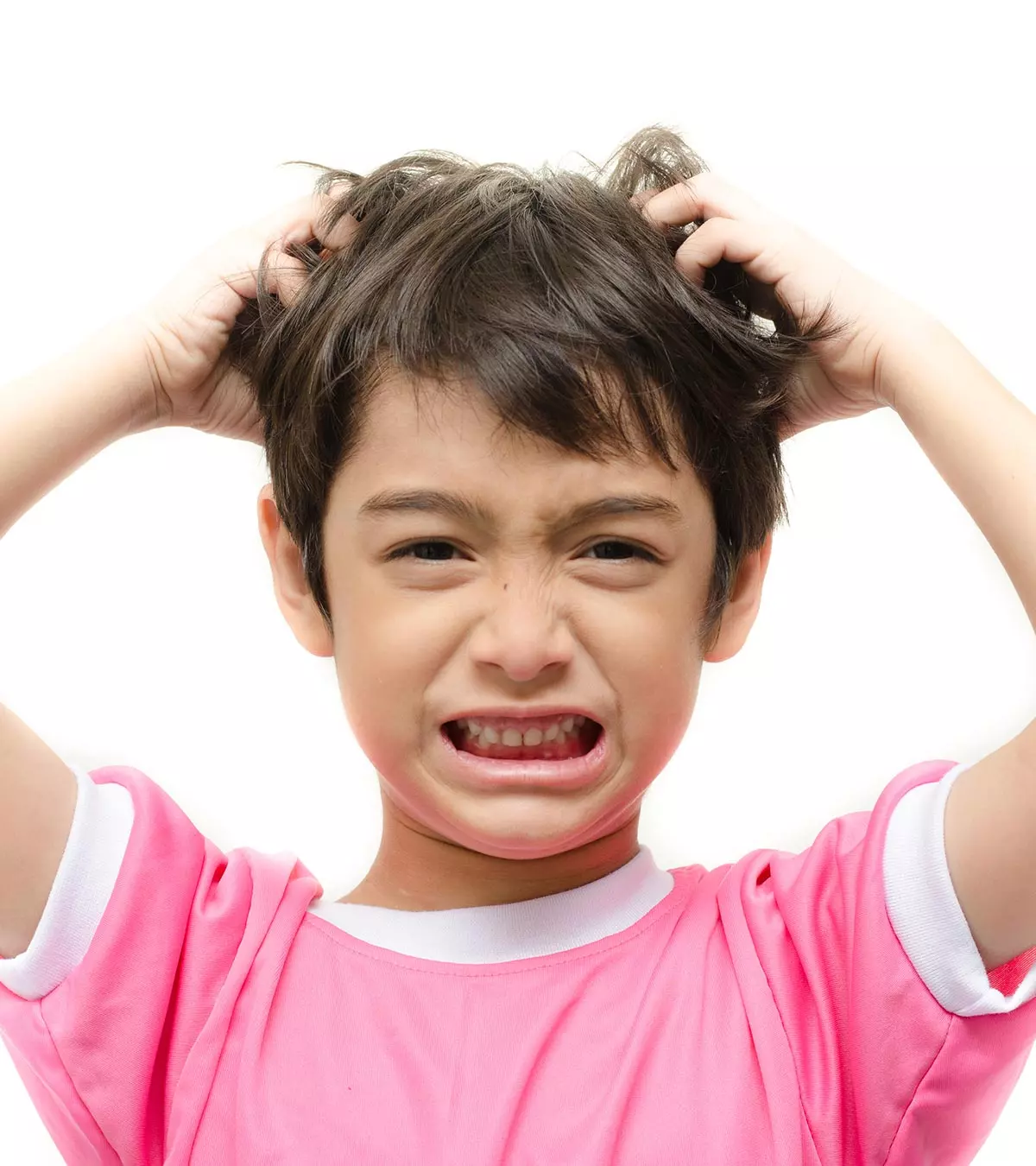
Surprisingly, many parents assume dandruff is strictly an “adult problem.” However, flaky scalps in children are remarkably common and often stem from very different sources than adult cases. In fact, identifying the cause early is crucial for preventing irritation and hair thinning in little ones. In this blog we will see some major causes of dandruff in kids and know how to tackle it.
Causes of Dandruff in Kids
1. The Cradle Cap Carryover
To begin with, if your child is a toddler, they might be experiencing a lingering form of Seborrheic Dermatitis. Commonly known as cradle cap, this condition involves oily, yellowish patches. Specifically, it occurs because maternal hormones are still balancing out in the child’s system. As a result, the scalp produces excess oil that hardens into flakes.
Quick Tip:In addition to regular washing, gently brushing a child’s scalp with a soft-bristled brush can help loosen these “baby flakes” without causing pain.
2. Improper Rinsing Rituals
Furthermore, the culprit is often found in the bathtub. Moreover, kids often rush through hair washing, leaving behind a residue of shampoo or conditioner. Consequently, this buildup dries into a film that mimics dandruff. Notably, the sensitive skin of a child reacts much faster to chemical surfactants than an adult’s scalp does.
3. The “Malassezia” Factor in Older Kids
Meanwhile, as children approach the pre-teen years, their oil glands become more active. Similarly to adults, a fungus called Malassezia can begin to grow. Whenever this fungus feeds on the natural oils, it produces oleic acid, which irritates the scalp. Therefore, you might notice white, dusty flakes on their shoulders after a long day of school or sports.
4. Sunburn and Dry Air
Equally important is the impact of the environment. For instance, children spend significantly more time outdoors. If their scalp gets a mild sunburn, the skin will eventually peel, looking exactly like dandruff. On the other hand, dry winter air can sap moisture away. Ultimately, a lack of hydration leads to “Dry Scalp,” which is often mistaken for true dandruff.
How to Prevent
- First of all, ensure your child rinses their hair for at least 30 seconds longer than usual.
- Secondly, check for redness; if the scalp is red, it may be eczema rather than dandruff.
- Lastly, use a mild, tear-free, pH-balanced Shampoo to maintain the natural barrier.
In conclusion, while those white flakes might be startling, they are usually a sign of a simple imbalance. Essentially, with the right routine, your child’s scalp can return to its healthy, flake-free state in no time.