
Hair care routine for oily scalp is not about fighting oil aggressively; instead, it is about working intelligently with your scalp’s natural biology. In reality, oily scalp is extremely common, especially in humid climates. Therefore, rather than overwashing or overusing products, adopting a balanced and consistent routine becomes absolutely essential for healthy, fresh-looking hair.
Why Does the Scalp Become Oily?
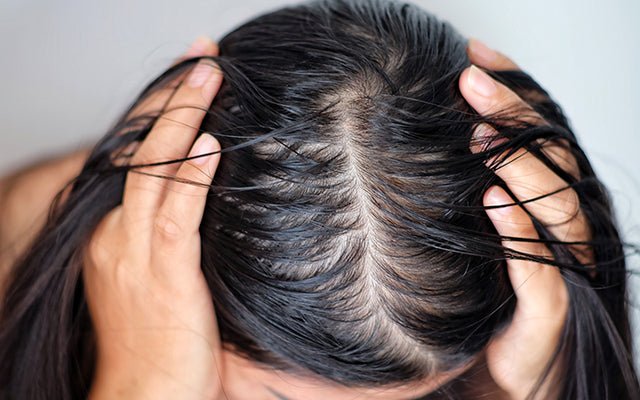
To begin with, an oily scalp is the result of overactive sebaceous glands that produce excess sebum. While sebum is necessary for Scalp protection, its overproduction leads to greasy roots, itchiness, and dandruff. Moreover, factors such as hormonal changes, stress, poor diet, humidity, and incorrect product choices further intensify oil secretion.
According to dermatology experts, understanding the root cause is the first step toward effective control.
Step-by-Step Hair Care Routine for Oily Scalp
1. Pre-Wash Scalp Care – Setting the Foundation
First and foremost, pre-wash care prepares the scalp for cleansing. Although many people with oily scalp skip this step, gentle pre-wash treatments can actually reduce oiliness over time. Consequently, the scalp becomes calmer and less reactive.
- Aloe vera gel to soothe and hydrate
- Tea tree oil (always diluted) for oil control
- Apple cider vinegar rinse once weekly
Additionally, apple cider vinegar helps maintain scalp pH, which further regulates sebum production: Healthline – Apple Cider Vinegar for Hair
2. Shampoo Selection – The Backbone of the Routine
Next, shampoo selection plays a decisive role in any hair care routine for oily scalp. Therefore, choosing a clarifying yet gentle shampoo is crucial. Instead of harsh formulas, opt for ingredients that cleanse deeply while preserving scalp balance.
Key ingredients to prioritize:
- Salicylic acid – clears excess oil and buildup
- Tea tree oil – controls dandruff and itch
- Niacinamide – balances oil production
- Green tea extract – antioxidant protection
Recommended product:
- Minimalist Anti-dandruff Shampoo
- Scalpe Pro Anti-Dandruff Shampoo
- Bare Anatomy Anti-Dandruff Shampoo
Furthermore, washing hair 2-3 times a week is ideal. On the contrary, daily washing can trigger even more oil production.
3. Conditioner Use Without Weighing Hair Down
Equally important, conditioner should never be skipped entirely. Instead, it must be applied strategically. By conditioning only the mid-lengths and ends, you prevent dryness while keeping the scalp oil-free.
Lightweight conditioner options:
4. Weekly Scalp Exfoliation – The Reset Button
Moreover, weekly scalp exfoliation is a powerful yet often ignored step. By removing dead skin cells, oil buildup, and residue, exfoliation allows follicles to function optimally. As a result, scalp health improves significantly.
Exfoliation choices:
- Salicylic acid based scalp serums
- Mild chemical exfoliants
Product Options:
- The Ordinary Glycolic Acid (used carefully)
5. Switch from Oils to Scalp Serums
Additionally, replacing heavy hair oils with lightweight scalp serum can dramatically improve oily scalp conditions. Unlike oils, serums hydrate without clogging pores. Consequently, oil production becomes more balanced over time.
Recommended option:
6. Drying, Styling & Daily Hygiene Habits
Just as important, daily habits significantly influence scalp oiliness. Excessive heat, dirty tools, and frequent touching worsen greasiness. Therefore, mindful hair hygiene is essential.
- Clean brushes and combs weekly
- Avoid excessive heat styling
- Use dry shampoo sparingly
Common Mistakes To Avoid In Hair Care Routine for Oily Scalp
Despite following a routine, certain mistakes can slow progress. Hence, avoiding these habits is critical:
- Overwashing with harsh shampoos
- Applying conditioner on the scalp
- Skipping scalp exfoliation
- Overdependence on dry shampoo
Diet and Lifestyle Support for Oily Scalp
Interestingly, scalp health is closely linked to internal balance. Therefore, combining external care with healthy lifestyle habits accelerates results.
- Drink adequate water daily
- Reduce fried and sugary foods
- Include zinc, vitamin B-complex, omega-3
- Prioritize sleep and stress management
Nutrition and hair health connection: Healthline – Foods for Hair Health
How Long Does It Take to See Results?
Generally speaking, a consistent hair care routine for oily scalp begins to show improvement within 3-4 weeks. Gradually, oil production stabilizes, dandruff reduces, and hair remains fresh for longer durations.
FAQs: Hair Care Routine for Oily Scalp
Can oily scalp lead to dandruff?
Yes, excess oil creates an environment for dandruff-causing fungi.
Is dry shampoo safe for oily scalp?
Occasional use is fine; however, daily use may clog follicles.
Should hair masks be avoided?
No, but masks should be applied only to hair lengths.
Does oily scalp increase hair fall?
Indirectly yes, when oil clogs follicles and causes inflammation.
Final Verdict
Ultimately, an effective hair care routine for oily scalp focuses on balance, consistency, and informed choices. Instead of stripping oil aggressively, nurturing the scalp gently leads to healthier roots, lighter hair, and long-term freshness.