
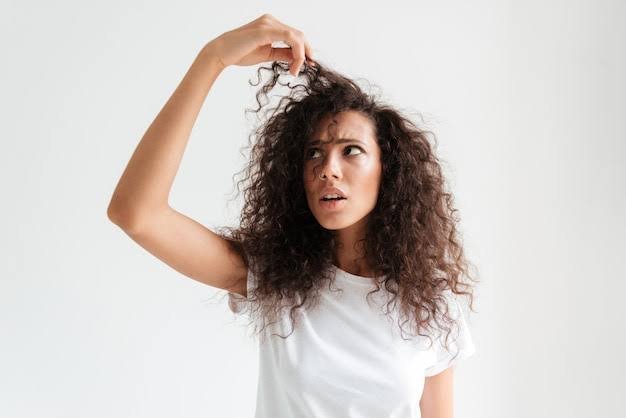
Frizzy hair is not merely a surface-level cosmetic issue; rather, it is a structural response of your hair to environmental stress, moisture imbalance, and cuticle damage. In other words, when you truly understand the cause of frizzy hair, you can address it at the root instead of temporarily masking it. Therefore, in this comprehensive guide, we will not only explore the primary causes of frizz but also explain, step by step, how to prevent and manage it effectively.
What Is Frizzy Hair?
Before identifying the exact cause of frizzy hair, it is essential to understand what frizz actually means. Scientifically speaking, frizz occurs when the outer layer of the hair strand known as the cuticle lifts instead of lying flat. As a result, moisture from the surrounding air penetrates the hair shaft. Consequently, the strand swells unevenly, which ultimately leads to roughness, puffiness, and flyaways.
Therefore, understanding moisture balance becomes absolutely crucial.
Main Cause of Frizzy Hair
Although multiple triggers exist, the primary cause of frizzy hair is moisture imbalance. In simple terms, when hair lacks internal hydration, it seeks moisture externally. Consequently, in humid conditions, the hair absorbs excess water from the air. As a result, the cuticle lifts, expands, and creates visible frizz.
However, beyond moisture imbalance, several interconnected factors further intensify the problem. Let us explore them in detail.
1. Lack of Moisture and Hair Dehydration
First and foremost, dryness remains the leading cause of frizzy hair. When hair loses its natural oils, it becomes porous. Consequently, porous hair absorbs humidity rapidly. Furthermore, frequent shampooing especially with harsh cleansers strips away protective sebum. Therefore, without adequate conditioning, hair becomes brittle and frizz-prone.
2. High Humidity Levels
In addition to dryness, environmental humidity significantly worsens frizz. When the atmosphere contains excess moisture, dry strands attempt to absorb it. As a result, the hair shaft expands unevenly. Consequently, frizz becomes more prominent, particularly during monsoon or in coastal regions.
Research published by the National Center for Biotechnology Information (NCBI) highlights how hair fiber structure changes in response to humidity. Therefore, climate plays a direct role in the cause of frizzy hair.
3. Heat Styling Damage
Moreover, excessive use of straighteners, curling irons, and blow dryers weakens the cuticle layer. Over time, repeated heat exposure damages the hair’s protein structure. Consequently, the protective barrier breaks down. As a result, moisture escapes easily while humidity enters rapidly, which ultimately becomes a long-term cause of frizzy hair.
4. Chemical Treatments and Coloring
Similarly, chemical processes such as bleaching, rebonding, perming, and frequent hair coloring disrupt the natural keratin bonds. Consequently, the cuticle becomes rough and uneven. Therefore, chemically treated hair tends to lose moisture faster, which further increases frizz formation.
5. Overwashing and Harsh Shampoos
Although cleansing is essential for scalp hygiene, overwashing can be counterproductive. In fact, shampoos containing sulfates may strip away natural oils aggressively. Consequently, the scalp becomes dry, and the hair loses smoothness. Therefore, excessive washing becomes an overlooked yet significant cause of frizzy hair.
6. Incorrect Hair Products
Furthermore, using products that do not suit your hair type can worsen frizz. For instance, lightweight formulas may not provide sufficient hydration for coarse or curly hair. Conversely, heavy creams may cause buildup on fine hair. As a result, imbalance occurs, and frizz becomes more noticeable.
7. Rough Towel Drying and Friction
In addition, mechanical damage contributes significantly. Rubbing wet hair with a regular towel creates friction. Consequently, the cuticle lifts and tangles form. Therefore, rough drying methods can instantly trigger frizz, especially in already dry hair.
8. Protein Deficiency and Structural Weakness
Hair requires both moisture and protein for optimal elasticity. However, when protein levels decrease due to damage or chemical treatments, the strand weakens. As a result, it becomes more vulnerable to environmental stress. Consequently, protein imbalance also acts as a structural cause of frizzy hair.
9. Genetic Hair Texture
Finally, genetics play an undeniable role. Curly and wavy hair types naturally have raised cuticles compared to straight hair. Therefore, textured hair is inherently more prone to frizz. Nevertheless, with proper hydration and care, frizz can still be effectively controlled.
How to Prevent
Now that we have identified the root causes, it is equally important to implement preventive strategies. Fortunately, with consistent care, frizz can be minimized significantly.
- Deep Condition Weekly: Since dryness is the main cause of frizzy hair, regular deep conditioning restores hydration and smoothness.
- Use Sulfate-Free Shampoo: Gentle cleansers preserve natural oils and maintain moisture balance.
- Apply Leave-In Conditioner: Leave-in products create a protective shield against humidity.
- Limit Heat Styling: Reducing heat exposure protects the cuticle structure.
- Switch to Microfiber Towel: Minimizing friction prevents immediate cuticle lifting.
- Seal with Serum or Lightweight Oil: This locks in moisture and prevents humidity penetration.
Who Is More Prone to It ?
- Individuals with curly or wavy hair
- People living in humid climates
- Those who frequently color or chemically treat their hair
- Individuals who use heat styling tools regularly
Therefore, if you belong to any of these categories, maintaining moisture balance becomes even more essential.
Conclusion: Understanding the True Cause of Frizzy Hair
In conclusion, the primary cause of frizzy hair is moisture imbalance, which is further intensified by humidity, heat damage, chemical treatments, overwashing, and friction. However, by addressing hydration, strengthening the cuticle, and adopting suitable hair care habits, frizz can be significantly reduced.
Ultimately, when you understand the real cause of frizzy hair, you shift from temporary fixes to long-term solutions. Therefore, focus on restoring moisture, minimizing damage, and protecting your strands from environmental stress for smoother, healthier, and more manageable hair.