
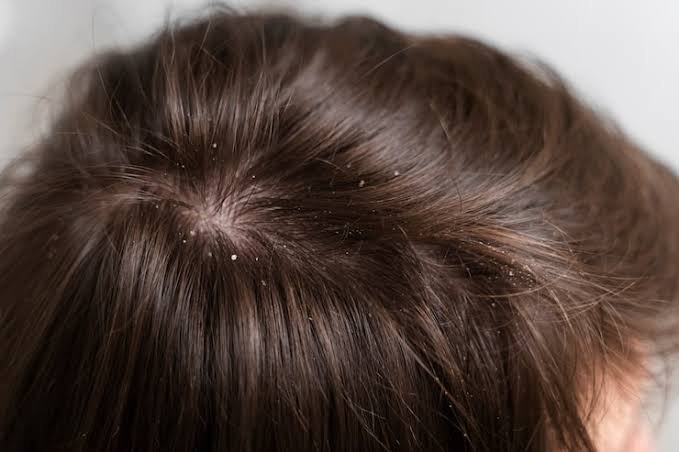
Haircare routine for dry scalp has become increasingly essential, particularly for individuals experiencing persistent flaking, tightness, or itching. While often underestimated, untreated dryness can consequently lead to significant discomfort, irritation, and progressive hair damage. Therefore, implementing a structured, consistent, and scientifically informed regimen is crucial for restoring balance, improving scalp comfort, and enhancing overall hair resilience.
Furthermore, modern hair habits including frequent washing, chemical treatments, heat styling, and environmental stressors further accelerate the depletion of natural scalp oils. As a result, dryness intensifies, irritation increases, and hair often appears brittle or dull. Preserving scalp hydration and barrier function is essential for overall hair and skin health. Similarly, Mayo Clinic emphasizes that dryness can exacerbate if left unmanaged, especially when using harsh products or frequent styling.
Consequently, understanding the causes, identifying the signs, applying suitable products, and adopting complementary lifestyle measures enables effective management, minimizes irritation, and promotes a healthier, more resilient scalp over time.
Why Dry Scalp Occur
Identifying the underlying triggers of dryness is therefore critical for effective intervention. Dry scalp frequently arises from a combination of environmental, lifestyle, and physiological factors. Specifically, these causes include:
1. Overwashing Hair
Frequent shampooing, particularly with strong surfactants, strips away natural oils. Consequently, the scalp becomes tight, flaky, and more vulnerable to irritation. Therefore, balancing washing frequency is crucial to maintain scalp hydration and barrier integrity.
2. Harsh Hair Products
Products containing sulfates, alcohol-heavy styling agents, or strong fragrances disrupt the scalp barrier. As a result, dryness worsens and sensitivity increases. Research from NCBI confirms that repeated chemical exposure compromises scalp homeostasis, reduces moisture retention, and triggers inflammation.
3. Environmental Stressors
Cold climates, low humidity, wind, and excessive sun exposure accelerate moisture loss. Consequently, proactive protection through hats, scarves, and protective haircare is particularly recommended to prevent exacerbation of dryness.
4. Nutritional Deficiencies & Dehydration
Insufficient intake of water, omega-3 fatty acids, zinc, and B-vitamins contributes to scalp dehydration. Specifically, this impairs barrier function, exacerbates dryness, and increases susceptibility to irritation. Therefore, addressing nutritional gaps is integral to long-term scalp health.
5. Underlying Skin Conditions
Inflammatory conditions such as eczema, psoriasis, and seborrheic dermatitis can trigger persistent flaking, redness, and discomfort. According to NCBI Bookshelf, targeted management and specialized care are essential for sustainable relief, particularly in chronic cases.
Recognizing Signs of Dry Scalp
Identifying symptoms early allows prompt intervention, consequently improving recovery and comfort. Key indicators include:
- White, powdery flakes or scaling
- Persistent itching or tingling sensation
- Tight, rough, or sensitive scalp
- Redness or mild inflammation
- Increased flaking after chemical treatments, heat styling, or environmental exposure
However, severe redness, persistent scaling, or hair thinning requires professional evaluation to rule out dermatological issues and prevent long-term damage.
Haircare Routine for Dry Scalp: Step-by-Step Guide
Consistency and targeted care are therefore fundamental. The following regimen combines gentle cleansing, hydration, and protective strategies to restore optimal scalp health effectively.
Step 1: Reduce Shampoo Frequency
Avoid daily washing unless necessary. Specifically, washing 2-3 times per week preserves natural oils, maintains the scalp barrier, and gradually reduces dryness without compromising cleanliness.
Step 2: Choose a Gentle, Hydrating Shampoo
Select shampoos that are:
- Sulfate-free
- Paraben-free
- Dermatologically tested
- Enriched with aloe vera, glycerin, panthenol, or oat extract to hydrate and soothe
For mild dandruff or persistent flaking, incorporate zinc pyrithione or ketoconazole-based shampoos. Notably, experts recommends medicated shampoos combined with gentle care for optimal relief and lasting scalp protection.
Step 3: Wash with Lukewarm Water
Hot water strips essential oils, whereas lukewarm water helps retain hydration, reduce irritation, and enhance scalp comfort consistently.
Step 4: Apply Lightweight Oils
Oils such as coconut, jojoba, argan, or almond restore moisture, reinforce the scalp barrier, and improve hair resilience. Gently massage for 30–60 minutes before washing. However, excessive oiling may clog follicles, hence moderation is crucial.
Step 5: Limit Heat Styling & Chemical Treatments
Excessive blow-drying, straightening, curling, or chemical coloring aggravates dryness and damages the scalp barrier. Consequently, protective sprays and reduced styling frequency are recommended to maintain hydration and prevent long-term scalp irritation.
Step 6: Protect from Environmental Stressors
Wearing hats or scarves under harsh sun, wind, or dry conditions prevents moisture loss, protects the scalp barrier, and minimizes irritation risk.
Key Ingredients that are Useful
- Aloe Vera: Hydrates, soothes inflammation, and improves scalp comfort
- Glycerin: Locks in moisture, enhances hydration retention, and prevents dryness
- Panthenol (Vitamin B5): Strengthens hair, reinforces the scalp barrier, and increases resilience
- Niacinamide: Improves elasticity, hydration, and barrier function
- Ceramides: Restore barrier integrity, prevent moisture loss, and protect long-term scalp health
Therefore, avoid products containing alcohol, sulfates, harsh chemicals, or synthetic fragrances that exacerbate dryness and irritation.
Lifestyle & Nutrition Tips For Dry Scalp
Effective scalp care extends beyond topical treatments. Internal health, particularly hydration, diet, and stress management, significantly influences moisture retention and scalp resilience:
- Drink at least 8 glasses of water daily to maintain systemic hydration
- Consume omega-3 fatty acids, zinc, and B-vitamin-rich foods for barrier support
- Practice stress management techniques such as meditation, yoga, or deep breathing to prevent scalp sensitivity
- Ensure adequate sleep to allow scalp regeneration and promote hair recovery
When to Consult a Dermatologist
Seek professional guidance if dryness persists beyond 3-4 weeks, or if severe symptoms emerge:
- Severe itching or persistent flaking
- Red, inflamed, or painful patches
- Hair thinning, breakage, or shedding
- Signs of infection or chronic scaling
Consequently, early consultation ensures accurate diagnosis, targeted treatment, and effective, safe relief from chronic dryness and irritation.
Prevention Tips For Dry Scalp
- Avoid daily washing and harsh shampoos to maintain natural oils
- Use gentle, hydrating haircare products consistently for optimal results
- Protect hair from extreme sun, wind, and heat to prevent dehydration
- Maintain proper hydration and nutrient-rich diet
- Keep hair tools, combs, and pillowcases clean to reduce irritation
Consistent application of these strategies prevents recurrent dryness, flaking, and scalp discomfort over time, ultimately maintaining long-term scalp health.
Frequently Asked Questions (FAQs)
1. Is it common?
Yes. Environmental stressors, daily styling habits, and product use contribute to widespread dryness, affecting individuals across all age groups and hair types.
2. Can it cause hair loss?
Mild dryness rarely leads to permanent hair loss; however, chronic irritation or inflammation may result in temporary shedding or weakened hair strength.
3. How often should I oil my scalp?
Once or twice per week is generally sufficient, depending on dryness severity, scalp sensitivity, and hair type. Consequently, over-oiling may counteract the benefits.
4. Are natural remedies effective?
Yes. Aloe vera, coconut oil, and oat-based masks hydrate, soothe irritation, and reinforce the scalp barrier naturally, thereby enhancing overall scalp comfort.
5. How long does it take to see improvement?
With consistent and targeted care, visible results typically appear within 2-3 weeks, with progressive improvement over subsequent weeks.
6. Does diet affect scalp health?
Absolutely. Proper hydration, omega-3 fatty acids, zinc, and B-vitamins support moisture retention, barrier integrity, and overall hair vitality.
Final Thoughts
A haircare routine for dry scalp does not require complex treatments. By combining gentle cleansing, nutrient-rich and hydrating ingredients, moderate oiling, protective measures, and consistent lifestyle habits, individuals can restore comfort, reduce flaking, and strengthen their hair. Ultimately, adherence to these strategies ensures healthier, more resilient scalp and long-term hair vitality, while simultaneously preventing recurring dryness and irritation.