
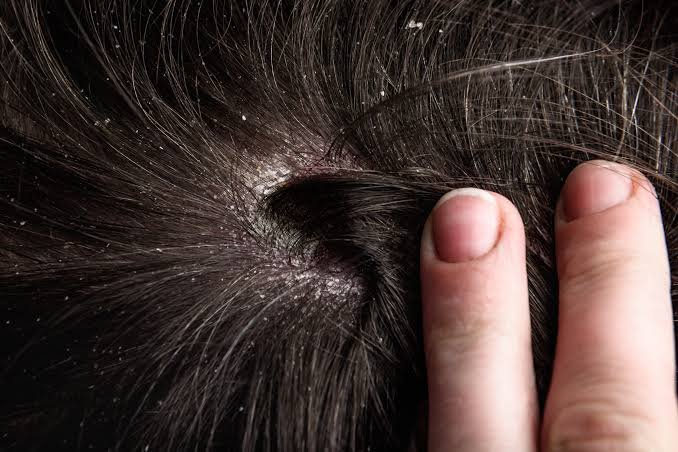
What is dry scalp is one of the most frequently searched scalp-related questions today. However, despite its popularity, it is still commonly misunderstood. In simple terms, it develops when the scalp fails to retain adequate moisture. Consequently, dryness, flaking, and itching begin to appear. Moreover, because the symptoms resemble dandruff, many people end up using the wrong products, which further worsens the problem.
Therefore, before choosing any treatment, it is extremely important to understand the condition clearly and correctly.
What Is Dry Scalp?
What is dry scalp? Essentially, it is a condition in which the scalp skin becomes dehydrated due to insufficient natural oils. As a result, the scalp sheds tiny, dry flakes. Additionally, the scalp may feel tight, irritated, or uncomfortable.
Most importantly, it is a hydration-related skin issue and not a fungal infection. Hence, anti-dandruff shampoos are often ineffective.
Common Symptoms
To clearly understand what it is, it’s important to recognize its symptoms early. Typically, the following signs are observed:
- Small, dry, white flakes that fall easily
- Persistent or recurring itching
- Tight, stretched, or uncomfortable scalp feeling
- Dull, rough, or lifeless-looking hair
- Absence of oiliness or greasiness
However, if flakes appear oily, yellowish, or sticky, then it is more likely dandruff rather than dry scalp.
Main Causes of Dry Scalp
In order to treat it effectively, identifying the root cause is essential. Therefore, below are the most common contributing factors:
1. Weather and Climate Changes
Firstly, cold weather, low humidity, and excessive sun exposure significantly reduce scalp moisture. As a consequence, dryness becomes more noticeable.
2. Frequent Hair Washing
Secondly, although washing hair maintains cleanliness, excessive washing removes natural oils. Over time, this leads to dryness and irritation.
3. Hot Water Usage
Furthermore, washing hair with hot water weakens the scalp’s protective barrier, thereby increasing moisture loss.
4. Harsh Hair Care Products
In addition, shampoos containing sulfates, alcohol, parabens, or artificial fragrances can damage the scalp’s natural balance.
5. Dehydration and Poor Diet
Finally, insufficient water intake and lack of essential nutrients such as omega-3 fatty acids directly affect scalp hydration.
Dry Scalp vs Dandruff: Key Differences
Since many people confuse the two, understanding what is dry scalp and how it differs from dandruff is extremely important.
| Dry Scalp | Dandruff |
|---|---|
| Caused by lack of moisture | Caused by excess oil and fungal growth |
| Small, dry white flakes | Large, oily yellow flakes |
| Scalp feels tight and itchy | Scalp appears red and inflamed |
| Needs hydration and nourishment | Needs medicated treatment |
How to Treat Dry Scalp Effectively
Once you clearly understand what is dry scalp, treating it becomes much easier and more effective.
1. Use a Gentle, Moisturizing Shampoo
Firstly, choose sulfate-free shampoos designed specifically for dry or sensitive scalp types.
2. Apply Oil Massage Before Washing
Secondly, regular oiling restores lost moisture and improves blood circulation. Suitable oils include:
- Coconut oil
- Almond oil
- Olive oil
3. Reduce Hair Wash Frequency
Instead of daily washing, it is better to shampoo only 2-3 times a week. Consequently, natural oils are preserved.
4. Hydrate From Within
Additionally, drinking enough water daily supports scalp hydration internally.
5. Avoid Hot Water Completely
Lastly, always wash your hair using lukewarm or cool water to prevent further dryness.
Best Home Remedies for Dry Scalp
Besides commercial products, natural remedies can also deliver excellent results when used consistently:
- Aloe Vera Gel: Not only hydrates but also soothes irritation
- Curd (Yogurt): Softens and nourishes scalp
- Honey with Coconut Oil: Deeply moisturizes and repairs dryness
For optimal results, apply these remedies once a week.
Can Dry Scalp Cause Hair Fall?
Yes, indirectly. While it itself does not cause permanent hair loss, constant itching and scratching can weaken hair roots. As a result, temporary hair fall may occur.
When Should You Consult a Dermatologist?
Although it is usually manageable, professional help is necessary if:
- Flakes persist despite regular care
- Severe itching, redness, or irritation develops
- The scalp starts cracking or bleeding
In such cases, other scalp conditions may be present.
FAQs: What Is Dry Scalp
1. It is most commonly caused by ?
Most commonly, it is caused by lack of moisture due to harsh shampoos, climate changes, or dehydration.
2. Is it a permanent condition?
No, it is temporary and improves with proper hydration and scalp care.
3. Can oiling really help ?
Yes, regular oiling significantly helps restore moisture and reduce flaking.
4. How long does it take to heal?
Generally, noticeable improvement is seen within 1-2 weeks of consistent care.
5. Is it contagious?
No, it is not contagious at all.
Trusted External Resources
Final Words
To sum up, once you truly understand what is dry scalp, managing it becomes far simpler. With gentle hair care, consistent hydration, and mindful product choices, it can be controlled effectively. Ultimately, a healthy scalp always leads to stronger, healthier hair.
Pingback: Haircare for Frizzy Hair : The Ultimate Guide to Smooth & Shiny Hair - SPF TALES