
Dandruff is a widespread scalp condition that almost everyone experiences at some point. However, despite its common nature, many people still ask, what is dandruff and why does it keep returning? In simple words, it occurs when the scalp sheds dead skin cells excessively. As a result, visible flakes appear on the hair, scalp, and shoulders. Although it is not harmful, it can be uncomfortable and socially embarrassing. Therefore, understanding it properly becomes extremely important.
What Is Dandruff?
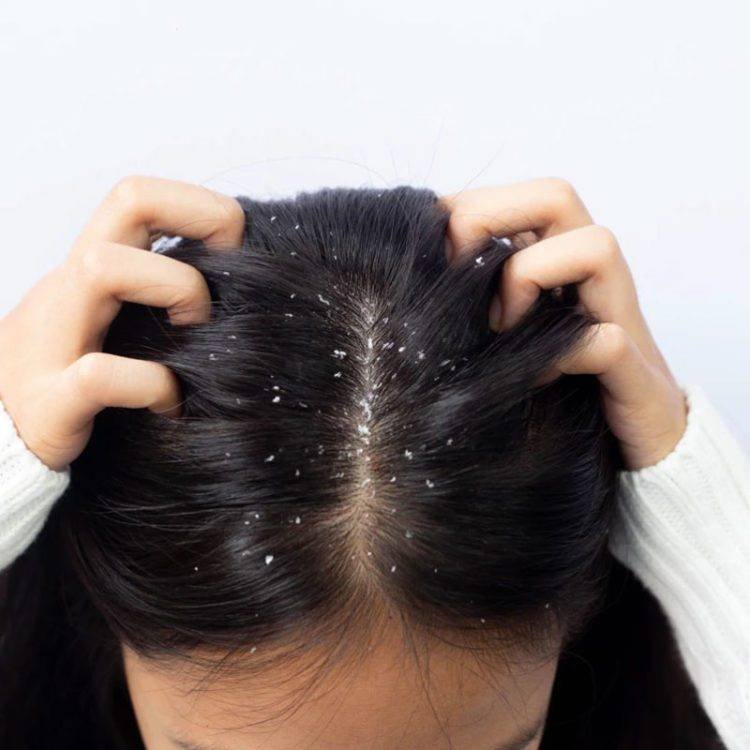
Essentially, it is a scalp condition marked by rapid skin cell turnover. Under normal circumstances, the scalp renews its skin quietly and slowly. However, when the scalp’s natural balance is disturbed, this renewal process accelerates. Consequently, dead skin cells clump together and become visible flakes. Thus, it is primarily a scalp health issue rather than a hair problem.
Why Does Dandruff Develop?
It does not develop overnight. Instead, it occurs gradually due to multiple contributing factors. Most importantly, changes in oil production, moisture levels, and microbial activity disrupt scalp harmony. As a result, the scalp reacts with flaking, itching, and irritation. Hence, identifying these triggers is the foundation of effective treatment.
Major Causes of Dandruff
There is no single cause rather, several internal and external factors work together. Therefore, each cause must be understood individually.
- Dry scalp: When moisture levels drop, the scalp starts flaking.
- Excess oil: Too much sebum leads to sticky, yellow flakes.
- Malassezia fungus: Overgrowth triggers inflammation and dandruff.
- Product sensitivity: Harsh chemicals irritate the scalp.
- Irregular washing: Oil and dead skin build up over time.
- Stress and hormones: They worsen scalp imbalance significantly.
Different Types of Dandruff
Interestingly, it is not the same for everyone. In fact, it appears in different forms depending on scalp condition. Therefore, recognizing the type helps in choosing the right treatment.
Dry Dandruff
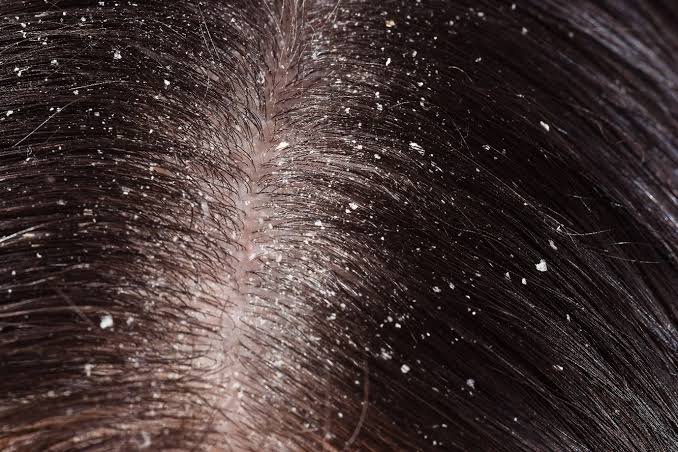
Dry dandruff usually occurs when the scalp lacks moisture. As a result, small white flakes fall easily. This type becomes more noticeable during winter.
Oily Dandruff
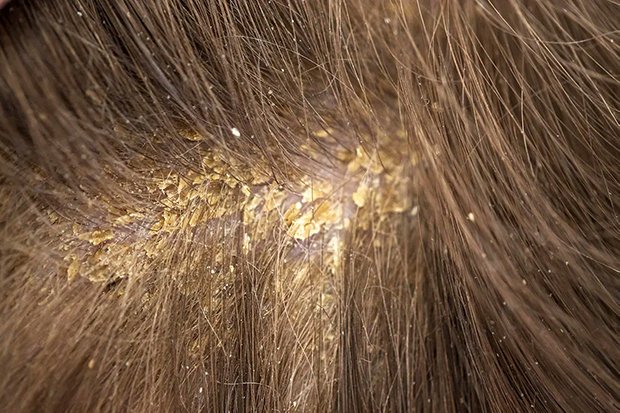
Oily dandruff develops due to excess sebum production. Consequently, flakes stick to the scalp and hair. Moreover, fungal growth often worsens this condition.
Fungal Dandruff
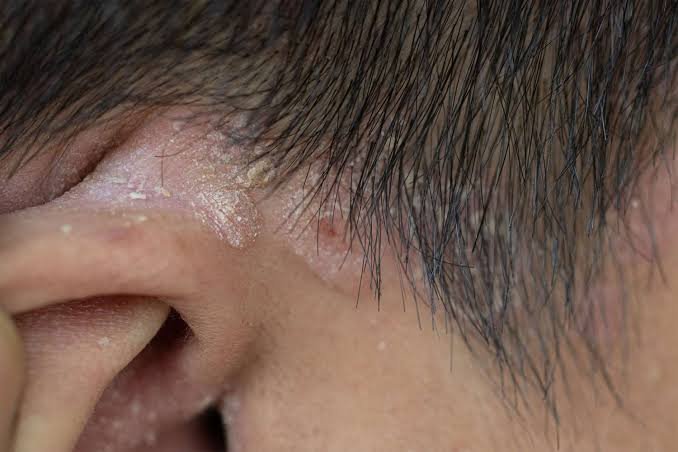
Fungal dandruff occurs when Malassezia yeast multiplies rapidly. Therefore, medicated shampoos are usually required for control.
Common Symptoms of Dandruff
While flakes are the most visible sign, other symptoms often appear simultaneously. Hence, early identification becomes easier.
- White or yellow flakes on scalp
- Persistent itching
- Red or irritated skin
- Dry or greasy scalp patches
Is it a Serious Problem?
Generally speaking, it is not a serious medical condition. However, if ignored, it can worsen over time. As a consequence, excessive scratching may cause scalp damage and hair fall. Therefore, timely care is always advisable.
Effective Treatment Options
Fortunately, it is manageable with consistent care. Moreover, the right products can show visible improvement.
- Anti-dandruff shampoos with zinc pyrithione or ketoconazole
- Regular but gentle scalp cleansing
- Soothing ingredients like aloe vera
- Stress management and healthy routines
How to Prevent It ?
Prevention focuses on maintaining scalp balance. Therefore, adopting healthy habits is crucial.
- Wash hair regularly with mild shampoo
- Avoid excessive styling products
- Keep the scalp hydrated
- Follow a balanced, nutrient-rich diet
Final Conclusion
In conclusion, understanding what is dandruff is the first step toward effective control. Although it is common, it should never be neglected. With proper scalp care, suitable products, and consistent habits, it can be managed successfully. Ultimately, a healthy scalp leads to stronger, healthier hair.