
Understanding hair scalp types is, without question, the most underestimated yet most transformative step in building a successful hair care routine. While many people constantly switch shampoos, oils, and serums, they often ignore one critical truth hair health always starts at the scalp. In fact, according to dermatology experts, scalp condition directly affects hair growth, dandruff, and hair fall. Therefore, before following trends or recommendations, it becomes absolutely necessary to understand your scalp first.
Moreover, once you begin to truly understand your scalp, everything shifts. From improved product performance to reduced hair fall and better growth, the impact is long-term and visible. So, without further delay, let’s explore this essential topic in depth.
Why Understanding Hair Scalp Types Is So Important
To begin with, your scalp is living skin, just like your face. It produces oil, holds moisture, and reacts to internal as well as external changes. Consequently, when the scalp is ignored or mistreated, hair problems begin to surface. As explained by medical hair health experts, an unhealthy scalp can weaken hair follicles over time.
As a result, understanding hair scalp types helps you:
- Choose scalp-appropriate shampoos and treatments
- Reduce dandruff, itching, and inflammation
- Control excessive hair fall and thinning
- Improve overall hair texture and strength
- Avoid unnecessary product experimentation
Different Hair Scalp Types Explained Clearly
1. Normal Scalp – The Ideal Balance
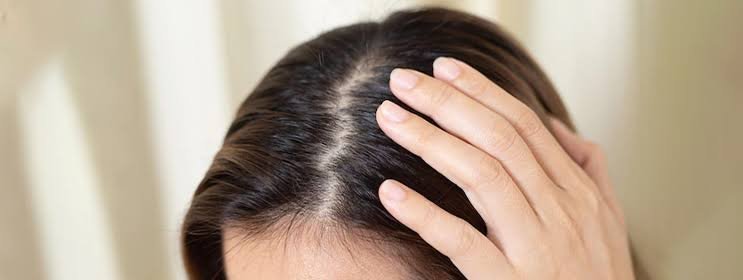
First and foremost, a normal scalp maintains a healthy balance between oil and moisture. Therefore, it rarely experiences extreme issues and supports natural hair growth.
2. Oily Scalp – Excess Sebum Production
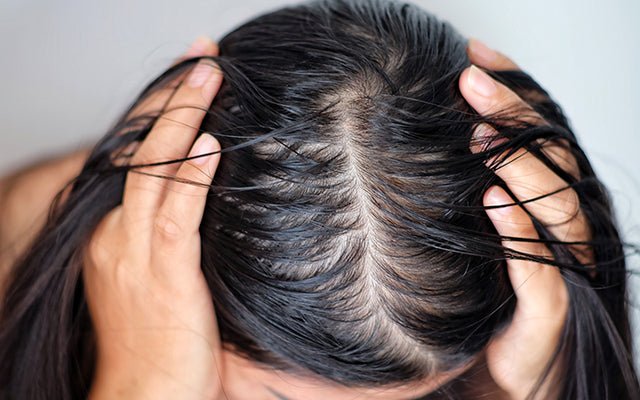
On the other hand, an oily scalp produces excess sebum, which quickly makes hair greasy. As a result, dandruff and buildup become common. Medical sources confirm that oily scalps are more prone to dandruff than dry scalps.
3. Dry Scalp – Moisture Deficiency
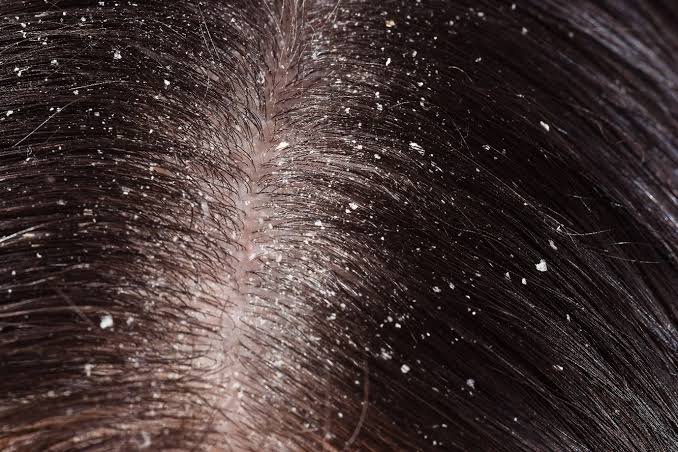
In contrast, a dry scalp lacks sufficient moisture and natural oils. Consequently, itching and flaking become persistent. Skin specialists recommend focusing on hydration rather than frequent cleansing for dry scalp conditions.
4. Combination Scalp – Oily Roots and Dry Ends
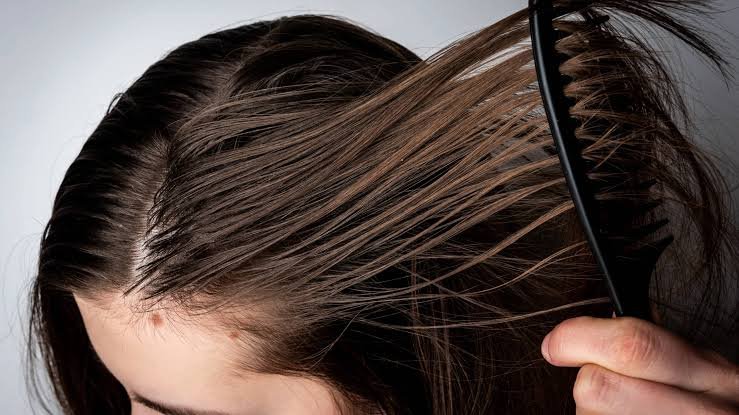
Interestingly, a combination scalp is extremely common. It features oily roots but dry or damaged ends, making care slightly tricky. Health experts from Healthline suggest treating the scalp and hair lengths separately for best results.
5. Sensitive Scalp – Highly Reactive Skin
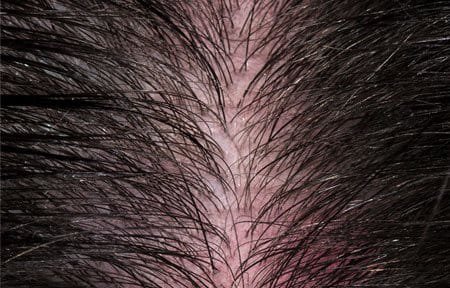
Finally, a sensitive scalp reacts quickly to products, pollution, or weather changes. According to medical guidance on skin sensitivity, fragrance and harsh chemicals are common triggers.
How Understanding Hair Scalp Types Supports Hair Growth
Without a healthy scalp, hair follicles weaken. However, when the scalp is balanced and clean, hair growth naturally improves. In fact, clinical trichology studies suggest that scalp health plays a key role in follicle strength and hair density.
- Hair fall gradually reduces
- Follicles stay unclogged
- Blood circulation improves
- Nutrient absorption increases
Frequently Asked Questions (FAQs)
Which scalp type is best for hair growth?
A healthy, balanced scalp is ideal for hair growth. However, dermatologists confirm that any scalp type can support growth when cared for properly.
Can scalp type change over time?
Yes, scalp type can change due to age, hormones, climate, stress, and lifestyle habits, as explained by health experts.
Is dandruff caused by dry scalp only?
No, dandruff is more commonly linked to oily scalp and fungal overgrowth rather than dryness alone, according to medical health sources.
Final Conclusion
To sum it up, understanding hair scalp types is the most important step toward solving hair problems naturally. Once your scalp receives the care it truly needs, healthy, strong, and shiny hair follows effortlessly.
So, before buying your next hair product, pause and understand your scalp because beautiful hair always begins at the roots.
Pingback: Hair Care Routine for Oily Scalp and Dry Ends - SPF TALES
Pingback: Cerave Anti Dandruff Shampoo : Dermat Approved Solution - SPF TALES
Pingback: Brillare Anti Dandruff Shampoo :Solution for Flake Free Scalp - SPF TALES
Pingback: Haircare Routine Dry Scalp Men: Complete Grooming & Relief - SPF TALES
Pingback: Dry Scalp with Dandruff: Causes, Symptoms & Fast Relief Guide - SPF TALES
Pingback: Haircare Routine Dry Scalp Kids: Gentle & Effective Care Guide - SPF TALES
Pingback: What Is Dry Scalp : Causes, Symptoms & Complete Care Guide - SPF TALES
Pingback: Haircare Routine for Dry Scalp :Guide to Hydration & Scalp Health - SPF TALES
Pingback: SAYY Scalp Revival Hair Serum: Complete In Depth Review - SPF TALES
Pingback: Dermatologist Recommended Shampoo for Hair Fall in India - SPF TALES