
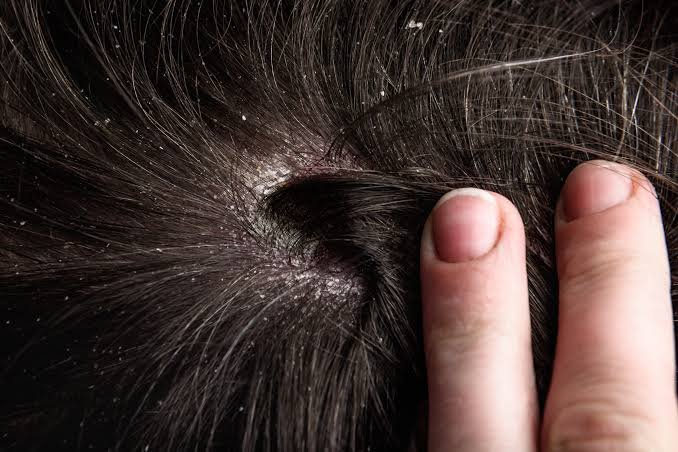
Dry scalp with dandruff is a common yet confusing hair concern. While many people assume that flakes automatically mean dandruff, the reality is slightly more complex. In fact, although both conditions cause flaking, their root causes are often different. Therefore, identifying the exact problem is essential before choosing a treatment.
Moreover, ignoring early symptoms can worsen itching and irritation over time. So, let’s understand the causes, symptoms, and most effective solutions step by step.
Understanding Dry Scalp with Dandruff
Dry scalp occurs when the skin on your head lacks sufficient moisture. As a result, it becomes irritated and starts shedding small, dry flakes. On the other hand, dandruff is commonly linked to excess oil production and the overgrowth of a yeast-like fungus called Malassezia.
Dandruff often involves scalp inflammation along with flaking. Similarly, the Mayo Clinic explains that dryness, irritation, and certain skin conditions can worsen flaking.
Consequently, when dryness and fungal imbalance occur together, you may experience both tightness and visible flakes at the same time.
Dry Scalp vs Dandruff :Key Differences
Although the symptoms overlap, there are noticeable distinctions:
| Dry Scalp | Dandruff |
|---|---|
| Small, dry flakes | Larger, oily flakes |
| Tight or rough feeling | Oily and itchy scalp |
| Triggered by lack of moisture | Often linked to fungal overgrowth |
| Worsens in cold weather | May worsen with excess oil |
Therefore, observing the texture and scalp condition carefully can guide your treatment choice.
Common Causes of Dry Scalp with Dandruff
1. Cold and Dry Weather
During winter, humidity drops significantly. As a result, moisture evaporates from the scalp faster, leading to dryness and flaking.
2. Overwashing Hair
Although washing keeps hair clean, excessive shampooing strips natural oils. Consequently, the scalp barrier weakens.
3. Harsh Hair Products
Shampoos containing strong sulfates may irritate sensitive scalps. Therefore, switching to gentle or sulfate-free formulas can help maintain balance.
4. Fungal Overgrowth
Dandruff is often associated with Malassezia. According to the National Center for Biotechnology Information (NCBI), this yeast can trigger inflammation and scaling.
5. Skin Conditions
In some cases, eczema, psoriasis, or seborrheic dermatitis may be responsible. If symptoms persist, consulting a dermatologist becomes essential.
Symptoms You Should Watch For
- White or yellow flakes on shoulders
- Persistent itching
- Scalp tightness after washing
- Mild redness or irritation
- Increased flaking during winter
Furthermore, severe itching or thick crusty patches may indicate a medical condition that requires professional treatment.
Effective Treatments for Dry Scalp with Dandruff
1. Use Medicated or Hydrating Shampoos
Look for active ingredients such as:
- Zinc pyrithione
- Ketoconazole
- Salicylic acid
- Tea tree oil
These ingredients not only reduce fungal growth but also help remove flakes gently.
2. Wash with Lukewarm Water
Although hot showers feel relaxing, they worsen dryness. Instead, use lukewarm water to protect the scalp barrier.
3. Apply Lightweight Oils
Coconut oil and jojoba oil may help restore hydration. However, apply in moderation to avoid buildup.
4. Improve Nutrition
A diet rich in zinc, omega-3 fatty acids, and B vitamins supports scalp health. Therefore, balanced nutrition plays a supportive role in recovery.
5. Reduce Heat Styling
Frequent heat styling weakens scalp moisture levels. Consequently, minimizing heat exposure prevents further irritation.
Home Remedies for Quick Relief
If you prefer natural solutions, consider the following:
- Aloe Vera: Soothes irritation and hydrates.
- Apple Cider Vinegar (Diluted): Helps balance scalp pH.
- Diluted Tea Tree Oil: Offers antifungal support.
However, always perform a patch test before trying any new remedy.
When to See a Doctor
Although mild cases improve with proper care, consult a healthcare professional if:
- Flaking lasts more than 4 weeks
- Severe redness or swelling develops
- Hair loss increases noticeably
- Over-the-counter treatments fail
In such cases, prescription-strength treatments may be necessary.
Prevention Tips for Long-Term Control
- Wash hair 2-3 times per week
- Choose gentle, sulfate-free shampoos
- Stay hydrated
- Manage stress levels
- Protect scalp in extreme weather
By following these habits consistently, you can significantly reduce recurring flakes.
Frequently Asked Questions (FAQs)
1. Is dry scalp the same as dandruff?
No, they are different conditions. However, they may occur together, which makes diagnosis confusing.
2. How often should I wash my hair?
Ideally, wash 2–3 times weekly using a mild anti-dandruff shampoo.
3. Can oiling worsen dandruff?
Yes, excessive oiling can worsen fungal dandruff. Therefore, use oils moderately.
4. Does stress increase dandruff?
Yes, stress can weaken immune response and trigger flare-ups.
5. How long does recovery take?
Mild cases often improve within 2–3 weeks with consistent care. However, severe cases may require medical treatment.
6. Can dehydration cause scalp dryness?
Yes, insufficient water intake may contribute to dry skin, including the scalp.
Final Thoughts
Dry scalp with dandruff may feel frustrating. Nevertheless, with the right knowledge and consistent care, it is manageable. First, identify whether dryness or fungal imbalance is the primary cause. Then, choose suitable products and maintain healthy scalp habits. Most importantly, seek professional help if symptoms persist.
With proper attention and preventive care, you can restore comfort, reduce flakes, and maintain a healthy, balanced scalp long term.