
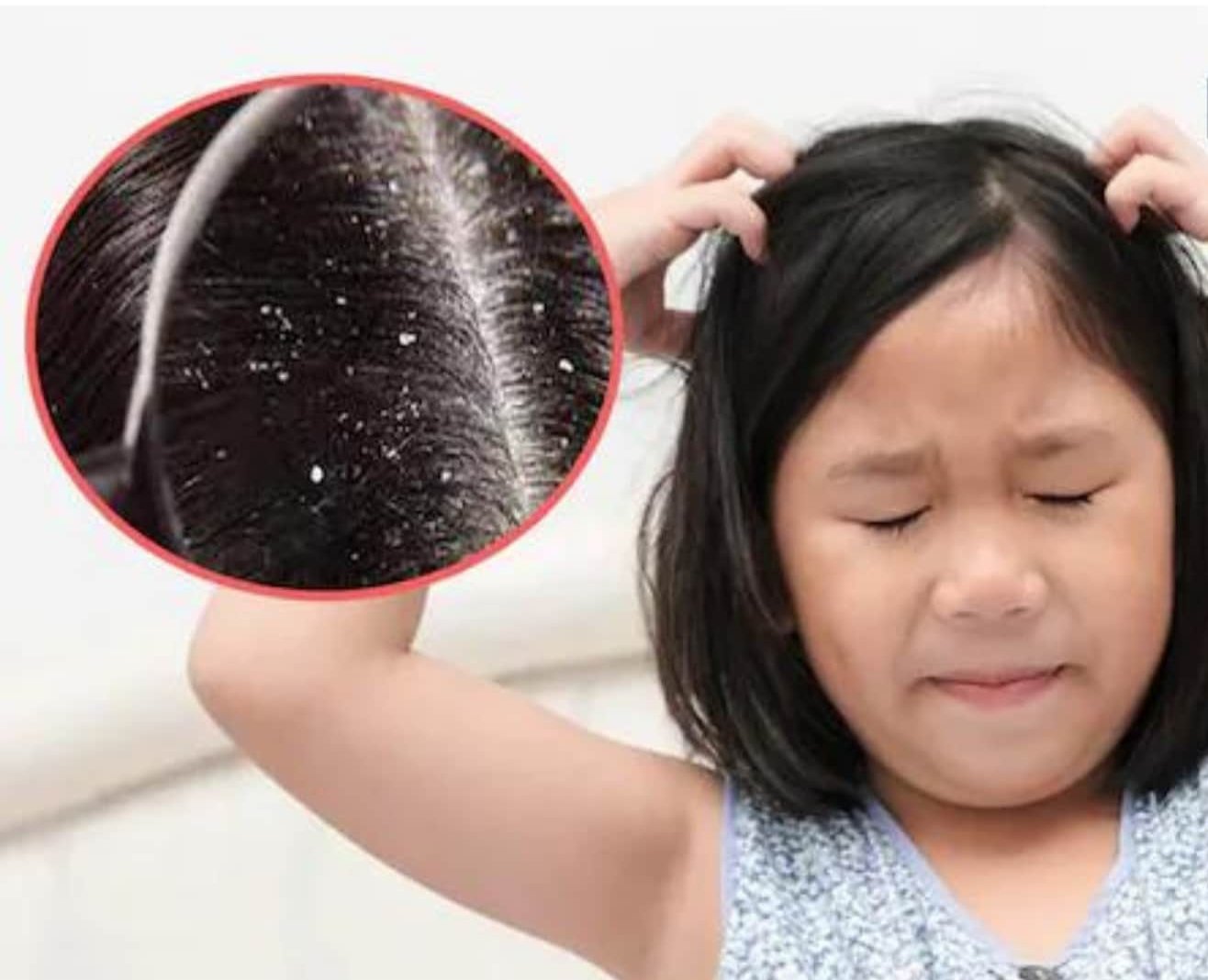
Haircare routine dry scalp kids is a growing concern among parents, especially during winter or seasonal changes. Although mild flaking is common in children, persistent dryness, itching, and irritation should not be ignored. Therefore, building a gentle, consistent, and child-safe routine becomes essential.
Moreover, children’s scalps are more delicate than adults’. As a result, harsh shampoos, overwashing, or improper oiling can easily worsen the condition. Children require mild and age-appropriate haircare products to maintain scalp health. Similarly, the Mayo Clinic explains that dryness and irritation can lead to visible flaking.
So, let’s explore the causes, symptoms, step-by-step routine, and preventive measures in detail.
Why Do Kids Experience Dry Scalp?
Before starting any treatment, it is important to understand the root cause. In many cases, dryness is temporary. However, sometimes it may be linked to mild dermatitis or environmental triggers.
Common Causes
- Cold or Dry Weather: During winter, humidity levels drop. Consequently, scalp moisture evaporates faster.
- Overwashing: While cleanliness is important, frequent shampooing strips natural oils. Therefore, dryness increases.
- Harsh Hair Products: Adult shampoos containing sulfates or strong fragrances may irritate sensitive scalps.
- Dehydration: Inadequate water intake can contribute to dry skin, including the scalp.
- Skin Conditions: Mild eczema or seborrheic dermatitis may cause flaking. The National Center for Biotechnology Information (NCBI) notes that seborrheic dermatitis can affect children as well.
Signs of Dry Scalp in Kids
- Small white flakes on hair or shoulders
- Frequent scratching
- Tight or rough scalp feeling
- Mild redness
- Increased dryness during colder months
However, if you notice thick yellow scales, swelling, or hair thinning, consult a pediatrician promptly.
Haircare Routine Dry Scalp Kids: Step-by-Step Plan
Now that the causes are clear, let’s create a safe and effective routine. Consistency is key; therefore, following these steps regularly can significantly improve scalp health.
1. Wash Hair 2-3 Times Weekly
First of all, avoid daily washing. Instead, shampoo two to three times per week. This approach preserves natural oils while maintaining hygiene.
2. Choose a Mild, Sulfate-Free Shampoo
Look for labels such as:
- Tear-free
- Sulfate-free
- Paraben-free
- Dermatologically tested
Additionally, ingredients like aloe vera, oat extract, chamomile, and glycerin provide soothing hydration.
3. Use Lukewarm Water
Although hot water feels comforting, it worsens dryness. Therefore, always use lukewarm water for children.
4. Gentle Oil Massage (Optional)
If dryness persists, apply a small amount of coconut oil or sweet almond oil. However, limit the massage to 30-60 minutes before washing. Excess oiling may clog pores.
5. Pat Dry Gently
After washing, gently pat the hair dry with a soft towel. Avoid aggressive rubbing, as it may irritate the scalp further.
6. Maintain Scalp Hydration
In extremely dry climates, pediatric scalp moisturizers recommended by a healthcare provider may help.
Best Ingredients for Kids’ Dry Scalp
When selecting products, prioritize gentle and nourishing ingredients:
- Aloe vera
- Oat extract
- Glycerin
- Coconut oil
- Panthenol (Vitamin B5)
At the same time, avoid alcohol-based formulas, artificial dyes, and strong fragrances.
Safe Home Remedies
If you prefer natural options, consider these mild remedies:
Aloe Vera Gel
Apply fresh aloe vera for 15-20 minutes. It soothes itching and hydrates gently.
Coconut Oil Massage
A light massage improves circulation and reduces dryness. However, avoid overnight oiling for very young children.
Oat Paste
Finely ground oats mixed with water can calm irritated skin. Always conduct a patch test beforehand.
Nutrition & Hydration Support
In addition to external care, internal hydration is equally important. Therefore, ensure your child consumes:
- Sufficient water daily
- Vitamin C-rich fruits
- Omega-3 sources like walnuts
- Zinc-rich foods
Balanced nutrition supports long-term scalp health.
When to Consult a Doctor
Although mild dryness improves within 2–3 weeks, seek medical advice if:
- Flaking lasts longer than one month
- Severe itching continues
- There are signs of infection
- Hair thinning becomes noticeable
Early intervention prevents complications and ensures appropriate treatment.
Prevention Tips
- Avoid daily shampooing
- Use child-specific haircare products
- Protect the scalp from extreme cold
- Encourage proper hydration
- Avoid tight hairstyles
By maintaining these habits consistently, recurrence can be significantly reduced.
Frequently Asked Questions (FAQs)
1. Is dry scalp common in children?
Yes, especially during winter or due to overwashing.
2. Can I use adult anti-dandruff shampoo?
No, unless prescribed by a doctor. Adult formulas may be too strong.
3. How often should I oil my child’s scalp?
Once or twice weekly is sufficient for most children.
4. Does dry scalp mean poor hygiene?
No. It is usually related to moisture imbalance, not cleanliness.
5. How long does recovery take?
With proper care, improvement is typically seen within 2–3 weeks.
6. Can dehydration affect scalp health?
Yes. Insufficient hydration can contribute to overall skin dryness.
Final Thoughts
Haircare routine dry scalp kids should always focus on gentle cleansing, mild ingredients, and consistent hydration. Most importantly, avoid harsh adult products and unnecessary treatments. With patience, proper care, and balanced nutrition, your child’s scalp can return to a healthy, comfortable state.